

Practical Labs
Practice Decisions When the Facts Change
Practice adapting technical decisions as evidence changes, using an assumption log and explicit triggers for reassessment.
PathHire Insights
Learn how to explain a technical decision, rehearse an interview, and turn training into work you can show.
Practice adapting technical decisions as evidence changes, using an assumption log and explicit triggers for reassessment.
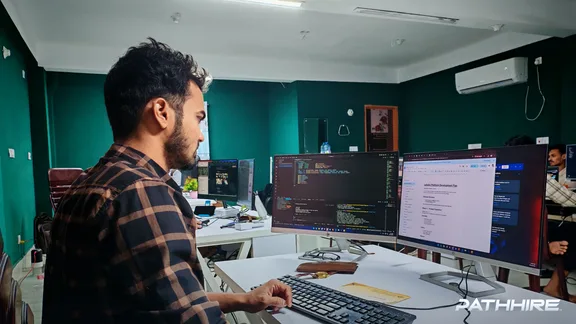
Practice phishing-alert triage by distinguishing observed facts, potential scope, and the next authorized response.

Review a green project dashboard against acceptance evidence, operational readiness, and measurable user outcomes.

Choose your next IT certification by comparing exam objectives with recurring tasks in the jobs you want.

Rehearse the first fifteen minutes of a cloud incident, from checking user impact to assigning owners and issuing an update.

Map certification objectives to workplace decisions and build an exam study plan that also develops professional judgment.
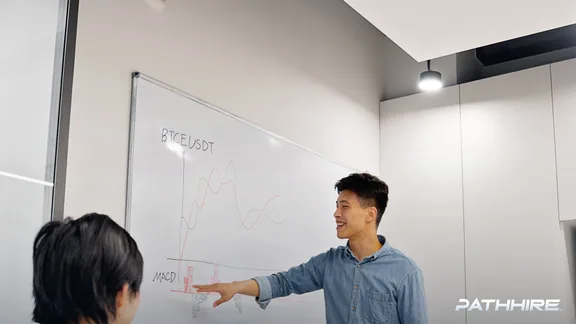
Answer technical scenario questions by identifying evidence, weighing alternatives, and explaining what you would verify next.

Prepare for the revised 2026 PMP exam using PMI’s current outline, a scenario error log, and practice with project tradeoffs.

Build a 30-day technical interview practice plan with a baseline recording, targeted rehearsal, and a repeatable progress check.

Answer unfamiliar technical interview questions with a clear boundary, a credible verification plan, and a useful next step.

Plan your first 90 days in a technical role around system knowledge, a bounded contribution, and evidence of impact.

Build a technical portfolio with concise project briefs, sanitized evidence, and results a reviewer can independently inspect.

Use STAR for technical interviews while keeping your individual decision, alternatives, and evidence visible.

Write incident updates that separate confirmed impact from investigation and set a dependable time for the next communication.
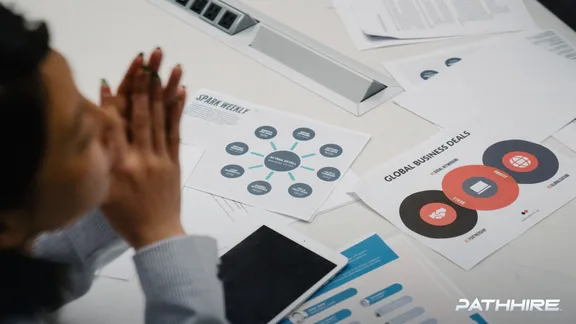
Investigate a sudden KPI improvement by checking counts, denominators, definitions, and changes in the underlying population.

Build a weekly career practice routine that fits around work and produces visible evidence of improvement.

Scope an AI assistant pilot with explicit permissions, human review, evaluation cases, and a practical stop condition.

Evaluate portfolio investments by comparing benefits, dependencies, and the evidence needed for the next funding decision.

Present a project scope change with credible alternatives, delivery impact, and a clear sponsor decision.

Triage an executive device failure while balancing business impact, access controls, and follow-up diagnosis.

Validate a data pipeline beyond job status using record reconciliation, freshness checks, and downstream acceptance criteria.

Turn a certification into a work sample with a role-specific task, a decision log, and evidence a hiring manager can review.

Build a skills-gap analysis using observable tasks, evidence levels, and a practical next exercise.

Review prompt-injection risk by separating retrieved content from authority and checking permissions at the point of action.

Show transferable skills and technical practice in a career-change interview with accurate labels and verifiable examples.
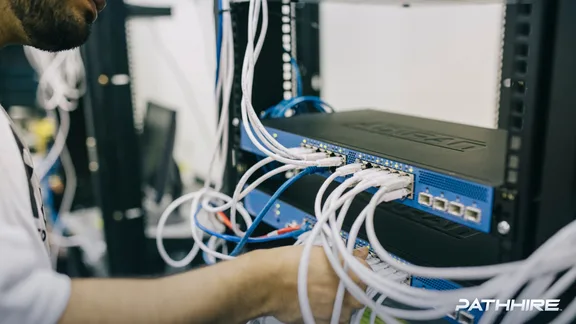
Prepare for network troubleshooting interviews by narrowing scope, testing a hypothesis, and documenting the result.

Translate military experience into civilian interview evidence while preserving your actual scope, responsibility, and outcomes.

Review access after a contractor transfer and document role requirements, approval, and verification of least privilege.

Translate a job posting into a role-based interview practice plan with realistic decisions and work samples.

Explain RTO and RPO with a worked incident timeline, then distinguish recovery targets from actual recovery performance.